

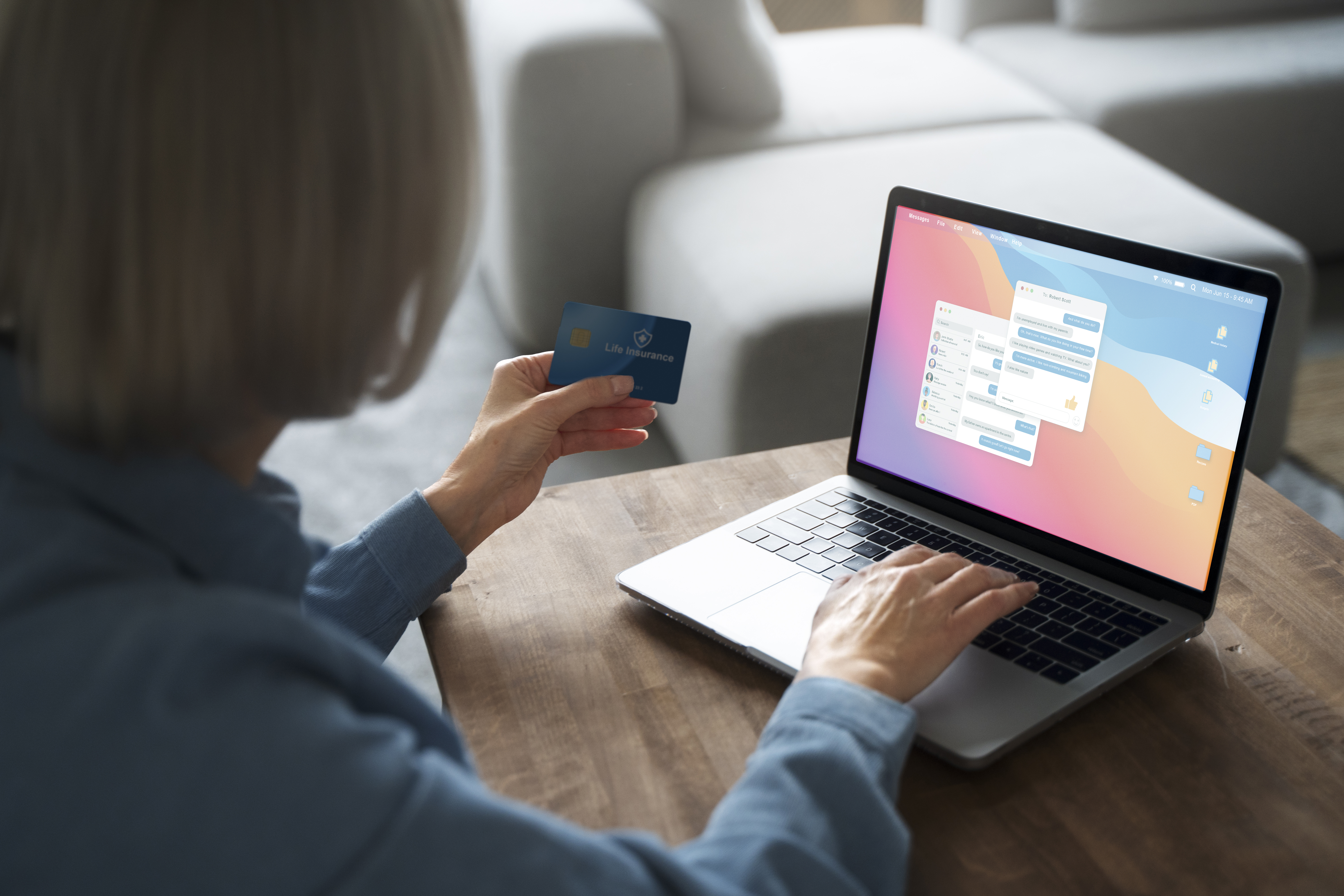
Running a service-based business means wearing a dozen hats at once. You’re managing clients, handling schedules, chasing invoices, and somehow trying to deliver great work on top of it all. Payment collection sits somewhere in that pile, and for a lot of business owners, it’s one of the messiest parts of the whole operation.
That’s where online booking payment systems come in, not as a luxury, but as a practical fix to genuinely frustrating problems.
Whether you run a salon booth rental setup, a wellness studio, or a freelance service practice, the way you handle payments can either build client trust or quietly erode it. When the process is clunky, clients notice. When it’s smooth, they don’t think twice, and that’s exactly the goal.
Why Traditional Payment Processes Keep Letting Businesses Down?
Most service businesses start out collecting payments manually. Cash at the door, invoices sent by email, payment links texted to clients at the last minute. It works, until it doesn’t.
The problems are predictable: clients forget to pay, payments arrive late, and you spend real time following up on things that shouldn’t need following up. There’s also the issue of no-shows. When someone can book an appointment without any financial commitment, canceling becomes effortless for them and costly for you.
Manual systems also create inconsistency. One client pays upfront, another pays after, and a third hasn’t paid at all, while you’re already three appointments in. That kind of inconsistency is hard to manage and even harder to fix once patterns are set.
Appointment payment systems exist specifically to solve this. By attaching payment to the booking process itself, businesses remove the awkward follow-up and bring consistency to every transaction from the start.
What Booking Software Payment Integration Actually Does?
The term “integration” gets thrown around a lot in software, but in this context, it has a concrete meaning. Booking software payment integration means your scheduling tool and your payment processor talk to each other, automatically, without manual input from you.
When a client books an appointment, they can be required to enter payment details, pay a deposit, or pay in full, right there in the same flow. No separate invoice. No, “I’ll get you next time.” The booking isn’t confirmed until the financial piece is handled.
This does a few things at once. It reduces no-shows significantly because clients have skin in the game. It speeds up your cash flow because you’re collecting before the service instead of chasing after it. And it frees up your mental bandwidth because the system is doing the work that used to fall on you.
For businesses operating in shared spaces, like a lash room for rent or a suite-based studio model, this is especially useful. Independent operators in those environments often don’t have front-desk support. Automated payment collection fills that gap. The Practical Benefits of Online Scheduling Payments
Let’s get specific about what changes when you switch to online scheduling payments.
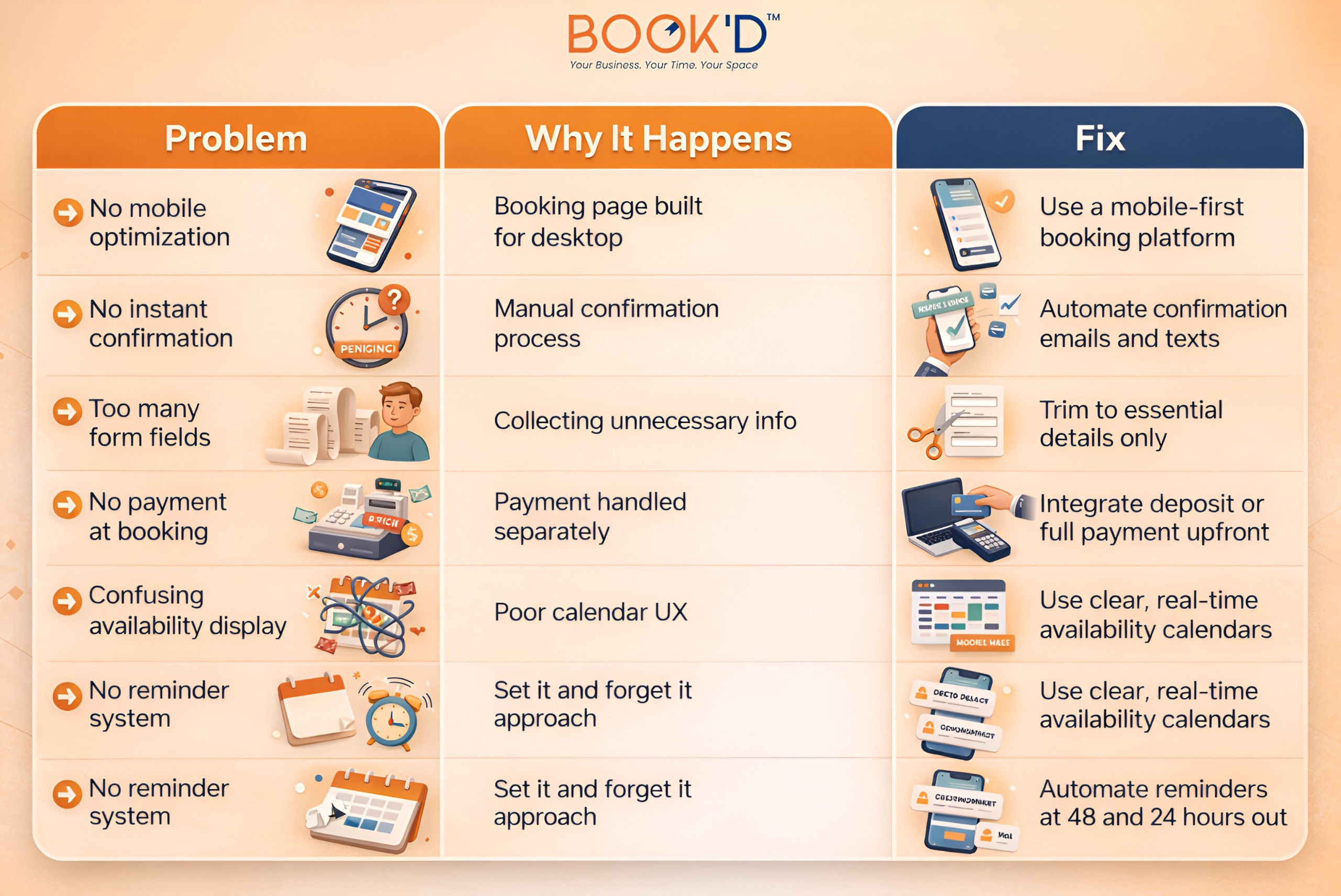 The table above isn’t theoretical. These are the actual differences businesses report when they move away from manual processes. The shift in cash flow alone justifies the change for most operators.
There’s also a credibility factor that doesn’t always get enough credit. When a client lands on your booking page and sees a clean, professional payment experience, it signals that you take your business seriously. That first impression shapes how they’ll value your time throughout the relationship.
Looking to cut down on no-shows while you’re at it? This blog pairs well with our guide on appointment reminder systems reduces no-shows, which covers the behavioral side of client retention. Common Questions Businesses Have Before Switching
A lot of business owners hesitate before committing to a new payment setup. The concerns usually fall into the same few categories.
Is it secure? Modern booking platforms use the same encryption standards as major banks. Client card data is tokenized, meaning the actual numbers are never stored in a readable format on the platform’s servers.
What if clients prefer to pay in person? Most systems let you keep that option. The goal isn’t to force a single payment method on everyone. It’s to have a default that works reliably and reduces friction for the majority of your bookings.
Will it work with my current tools? That depends on the platform, but most modern booking software payment integration options connect with widely used processors like Stripe or Square. It’s worth checking compatibility before committing.
Does it cost more? There’s usually a small processing fee per transaction, the same kind you’d pay with any card reader. The time saved on manual invoicing and follow-ups generally offsets that cost many times over.
Making the Shift Without Disrupting Your Existing Clients
Changing your payment process mid-operation can feel risky. You don’t want to confuse clients who are used to your current system. The good news is that transitions tend to go more smoothly than expected when they’re communicated clearly.
A simple message to your client base explaining that you’ve upgraded your booking system, and that they’ll now complete payment at the time of scheduling, is usually enough. Most clients respond positively because it’s one less thing for them to remember.
Set a clear start date, update your booking link, and let the system handle the rest. You don’t have to overhaul everything overnight.
FAQs
What are online booking payment systems?
Online booking payment systems are tools that combine appointment scheduling with payment processing in a single platform. They allow clients to book and pay in one step, reducing manual billing work for businesses and creating a smoother experience for customers.
How do booking payment systems reduce no-shows?
When clients pay a deposit or the full amount upfront at the time of booking, they’re financially committed to the appointment. This creates accountability that verbal or free bookings don’t carry. Businesses that use deposit-required booking typically see a meaningful drop in last-minute cancellations.
Is it safe to collect payments through booking software?
Yes. Reputable booking platforms use industry-standard encryption and work with certified payment processors. Card data is tokenized rather than stored in plain text, which means client financial information is protected at every stage of the transaction.
Can small or solo businesses benefit from appointment payment systems?
Absolutely. In fact, solo operators often benefit the most because they don’t have support staff to handle invoicing and follow-up. Automated payment collection essentially does that job for them, freeing up time and reducing the mental load of running a business alone.
What should I look for when choosing a booking platform with payment integration?
Look for flexible payment options (deposits, full prepayment, card on file), compatibility with major processors, transparent fee structures, and an intuitive client-facing interface. The booking experience should feel easy for your clients, not just functional on the backend.